


Agentic AI
Agentic AI for Enterprise: Moving Beyond Broken SaaS Workflows
Let's be honest about something that doesn't come up in enough boardroom conversations.
When your team implemented Salesforce, or went live on SAP, the promise was transformation. Better data. Faster decisions. One system to run the whole business. The demos were slick. The case studies were impressive. The contract got signed.
And then reality arrived.
Three months of implementation. A consulting firm that billed you for every single question. Workflows that sort of fit your process but not quite. A user interface your team quietly hates. And a support line that routes you to documentation you've already read twice.
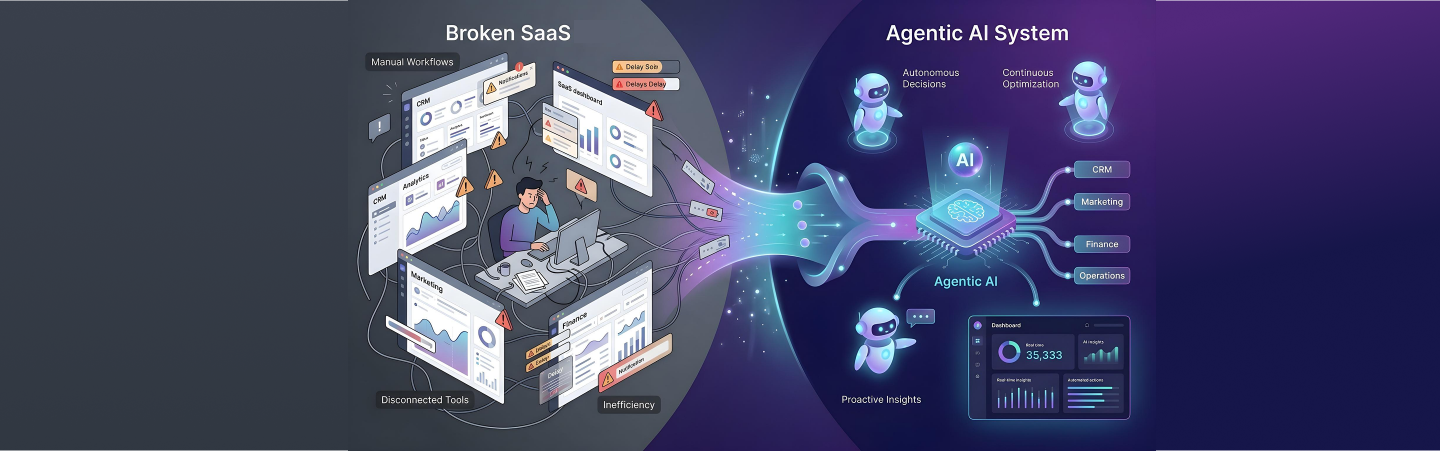
If this sounds familiar, then you're not alone, and more importantly, you're not wrong to be frustrated. This friction is exactly why agentic AI for enterprise is shifting from a buzzword to a strategic necessity.
The Uncomfortable Truth About Enterprise Software
Here's what Salesforce, SAP, and every other major enterprise platform will never say in a pitch meeting: their software wasn't built for your business. It was built for every business.
That's the model. Build one platform flexible enough to serve thousands of companies across dozens of industries. Sell it at scale. Let the customer figure out how to make it fit.
The problem is that flexible enough for everyone almost always means perfect for no one. You end up bending your processes to match the software, instead of the software matching how your business actually works. You hire internal admins just to manage the tool. You pay for modules you don't use. You build workarounds for the gaps.
Those workarounds aren't just inefficient. They're invisible costs. Nobody puts "time wasted navigating a system that doesn't fit us" on the P&L. But it's there, in slower sales cycles, in decisions made on bad data, in good employees who quietly disengage because the tools make their jobs harder than they need to be.
That's the real cost of enterprise software implementation challenges that C-suites rarely measure.
Why This Gets Worse as You Grow
When you're smaller, the misfit is manageable. Your team works around it. People develop tribal knowledge, "oh, you have to click through three screens to get to that report", and the friction becomes normal.
But as you scale, every misfit compounds. More users means more workarounds. More departments means more competing needs that the same rigid system has to serve. More data means slower performance and more maintenance cost. What started as a minor gap in how the software fits your process becomes an operational drag that slows down the entire organisation.
By the time leadership notices, the system is so deeply embedded that replacing it feels impossible. You're not locked in by value. You're locked in by switching costs, data migration fears, and the sheer organisational effort of change.
This is where most enterprises live. And it's a costly place to stay.
It's not just a software problem. It's a fundamentally different way your enterprise operates.
Read the Playbook and get the step-by-step framework for moving from generic enterprise software to a system built around how your business actually works.
So Where Does Agentic AI for Enterprise Fit Into This?
This is where the conversation gets genuinely interesting, and where the opportunity is. Agentic AI for enterprise isn't just about adding a chatbot to your existing Salesforce instance. That's the surface-level version of AI adoption, and if that's what your vendor pitched you, you should ask harder questions.
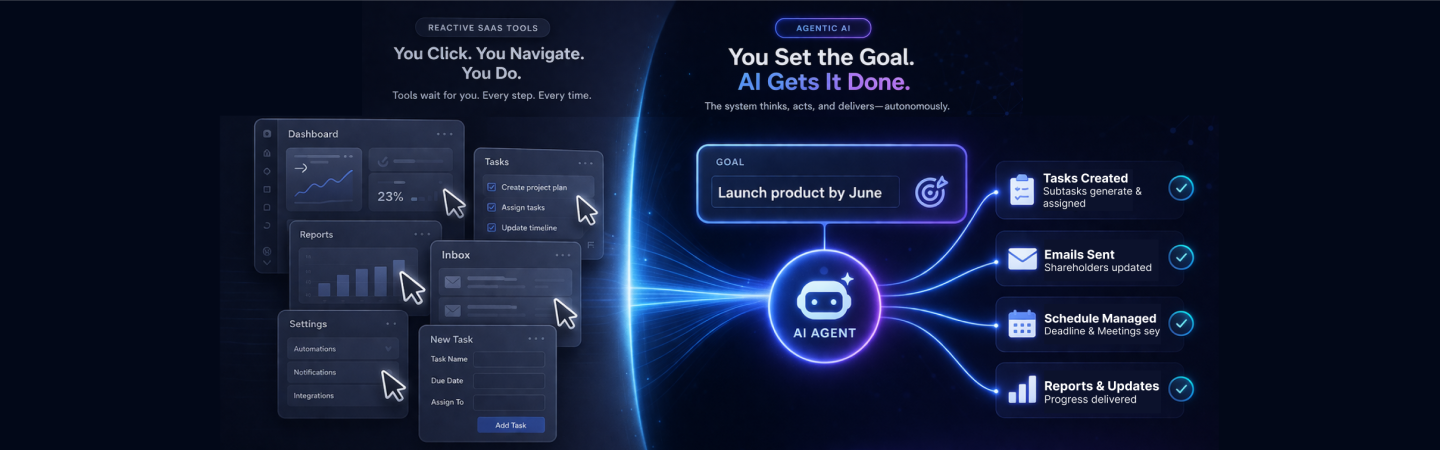
Honest agentic AI means your software acts on goals, not just commands. It doesn't wait for someone to navigate to the right screen, pull the right report, and manually interpret the data. It understands the outcome you're working toward, takes initiative, handles the steps in between, and flags the moments that genuinely need human judgment.
Think about what that means in practice for your enterprise:
Your sales pipeline doesn't get reviewed once a week in a Monday meeting. An agentic system monitors it continuously, spots a deal going cold before your rep does, drafts the re-engagement, and notifies the right person, all without anyone logging in and remembering to check.
Your finance team doesn't spend three days pulling together month-end data from four different systems. An agentic layer connects them, reconciles automatically, flags exceptions, and delivers a clean summary to your CFO by the morning it's needed.
Your operations don't wait for someone to notice a bottleneck in the supply chain. The system sees it, identifies the downstream impact, and surfaces options, before the problem becomes a crisis.
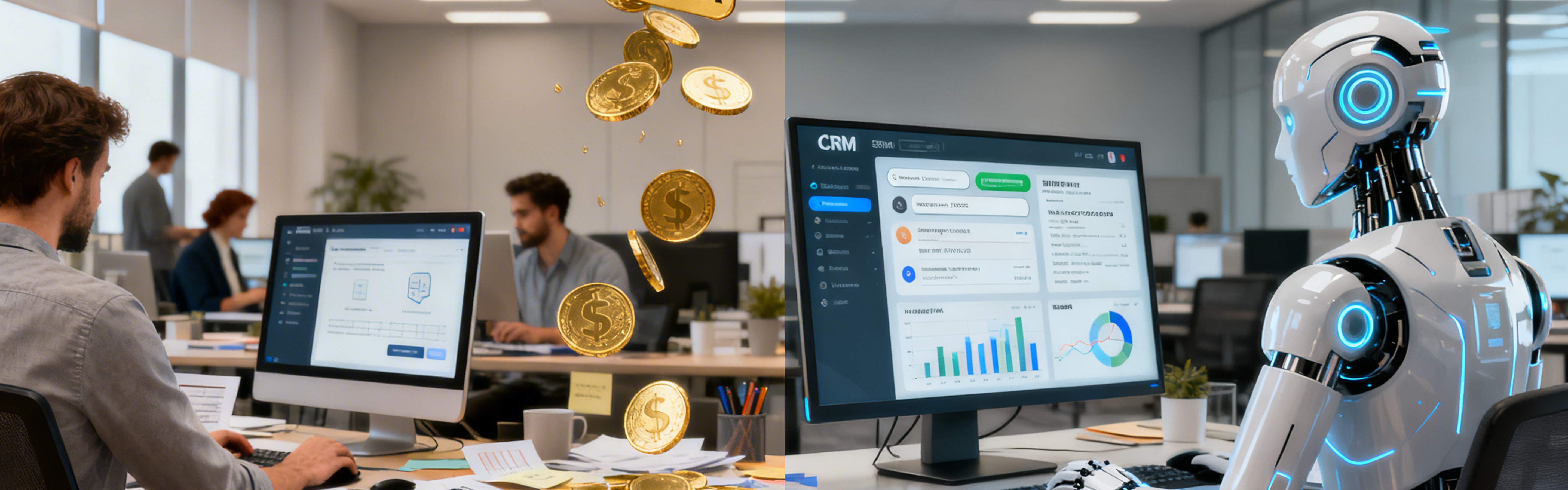
That's the difference between software your people use and software that works for your people. And right now, most enterprise software, no matter how expensive, are stuck in the first category.
Interested in seeing what a custom build could look like for your enterprise?
Let's Talk
Custom Enterprise Software Solutions Built by Invimatic
Here's the question worth sitting with: what if the answer isn't a better version of Salesforce?
What if the answer is software that's designed around exactly how your business works, your workflows, your data structures, your team's actual day-to-day, combined with agentic AI that makes it proactive, not reactive?
That's what custom enterprise software solutions built with an agentic-first approach actually look like. And this is where companies like Invimatic are changing what's possible for enterprises.
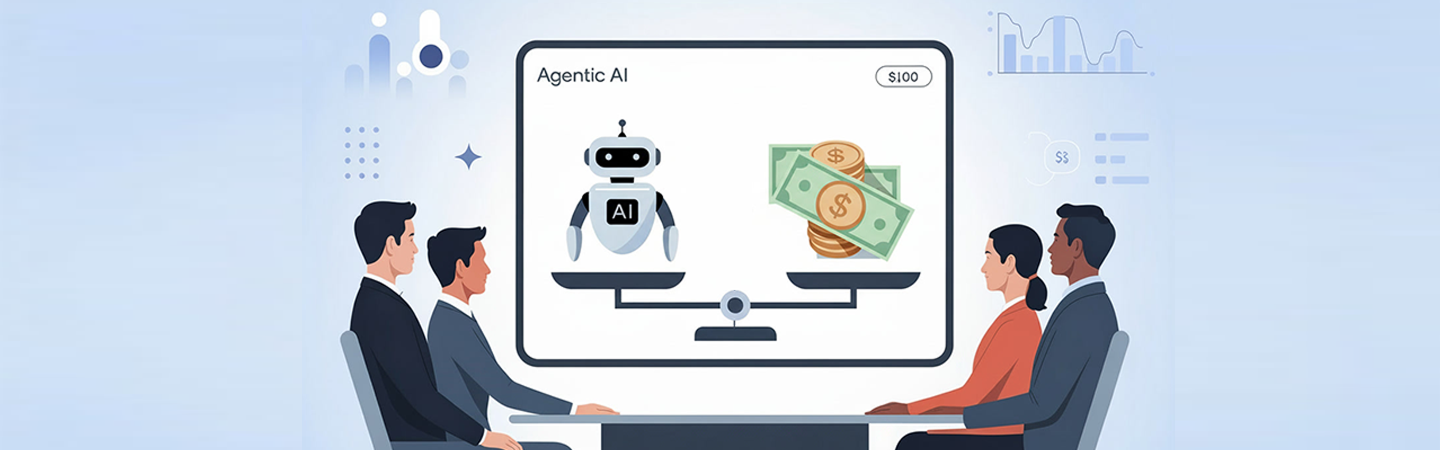
Invimatic builds fully customised enterprise software, from CRMs and ERPs to operational platforms, designed specifically around your processes, not a generic template. What makes it different isn't just the customisation. It's the speed and the cost. Enterprises that typically spend six to twelve months implementing a Salesforce or SAP instance, and hundreds of thousands in consulting fees before they see a single productive workflow, are getting live, custom-built systems in under 30 days, at a fraction of the cost.
No forcing your business into someone else's mould. No paying for features you'll never use. No twelve-month implementation plan that derails your operations before it even helps them.
The result is software your team actually wants to use, because it was built for the way they work, not for the average of every company the vendor has ever sold to.
When you combine that with agentic AI capabilities built in from the ground up, not bolted on as an afterthought, you get an enterprise system that doesn't just record what happened. It anticipates what should happen next.



FAQs
Is custom enterprise software only for very large companies?
How long does it actually take to move off Salesforce or SAP?
What happens to our existing data?
Won't a custom system be harder to maintain long-term?