

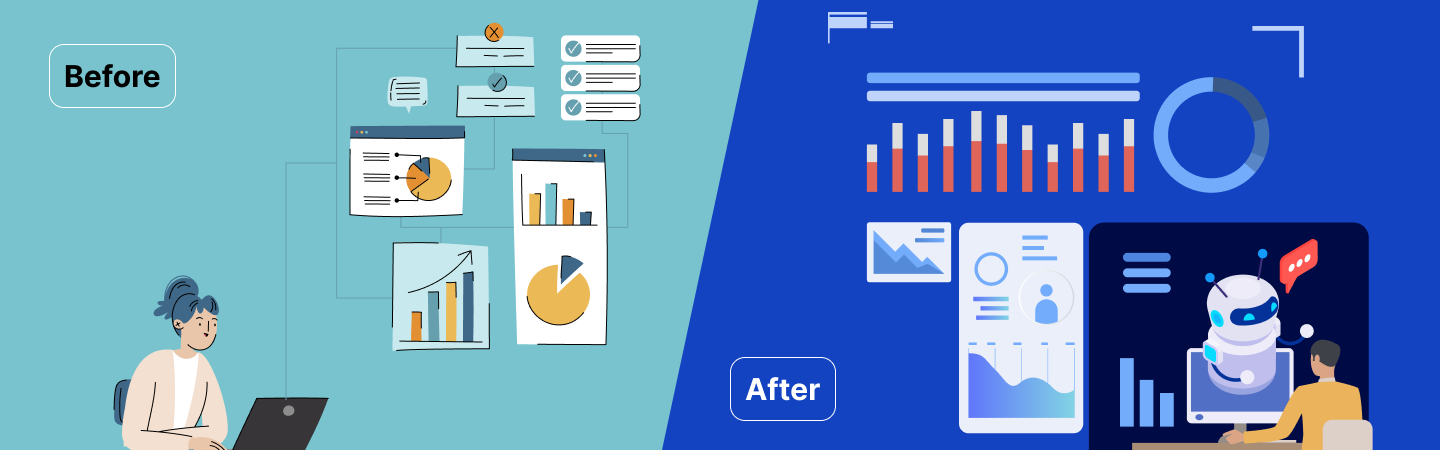
SaaS companies integrating Agentic AI don't need to tear down their platforms. Agentic AI, autonomous systems that plan, reason, and act on goals, layers on top of legacy code via APIs and events. This guide breaks down myths, patterns, and steps for seamless AI agent integration for SaaS platforms, helping you boost efficiency without disruption.
The Biggest Myth About Agentic AI Adoption
Many SaaS leaders believe they must rebuild their entire product to harness Agentic AI. This myth stalls adoption, as teams fear months of downtime and ballooning costs.
In reality, agentic AI development for SaaS adds an intelligence layer on existing infrastructure. Think of it like autopilot for your platform: agents handle tasks autonomously via APIs, without touching core UI or databases.
Fear of disruption keeps 70% of SaaS firms from AI pilots (per Gartner 2025 surveys). Yet, early adopters see 40% faster workflows by starting small, no rebuild required.
AI agent development for SaaS, built for scale, security, and real-world workflows.

Why Traditional AI Integrations Fail in Existing SaaS Platforms
Legacy SaaS platforms crumble under basic AI tools. Here's why integrate Agentic AI into SaaS demands smarter approaches.
- Point Solutions Don’t Scale Chatbots and RPA scripts shine in demos but shatter at scale. They handle one-off queries, not dynamic workflows like support triage across 10k tickets daily.
- Tight Coupling Creates Technical Debt Hard-coding ChatGPT APIs into monoliths locks in logic. Updates break everything, piling on debt, and majority of dev time is wasted .
- No Autonomy or Workflow Ownership Copilots suggest; agents execute. Traditional tools lack end-to-end ownership, forcing humans to stitch outputs.
What Makes Agentic AI Ideal for Legacy & Existing SaaS Platforms
Agentic AI thrives in legacy environments through loose coupling. It integrates via APIs, event triggers (e.g., Kafka streams), background services (e.g., AWS Lambda), and observability hooks (e.g., Datadog).
No UI overhauls needed, incremental adoption lets you test one workflow, then expand. For agentic AI implementation without rebuild, agents ground actions in your data, scaling from MVP to enterprise.
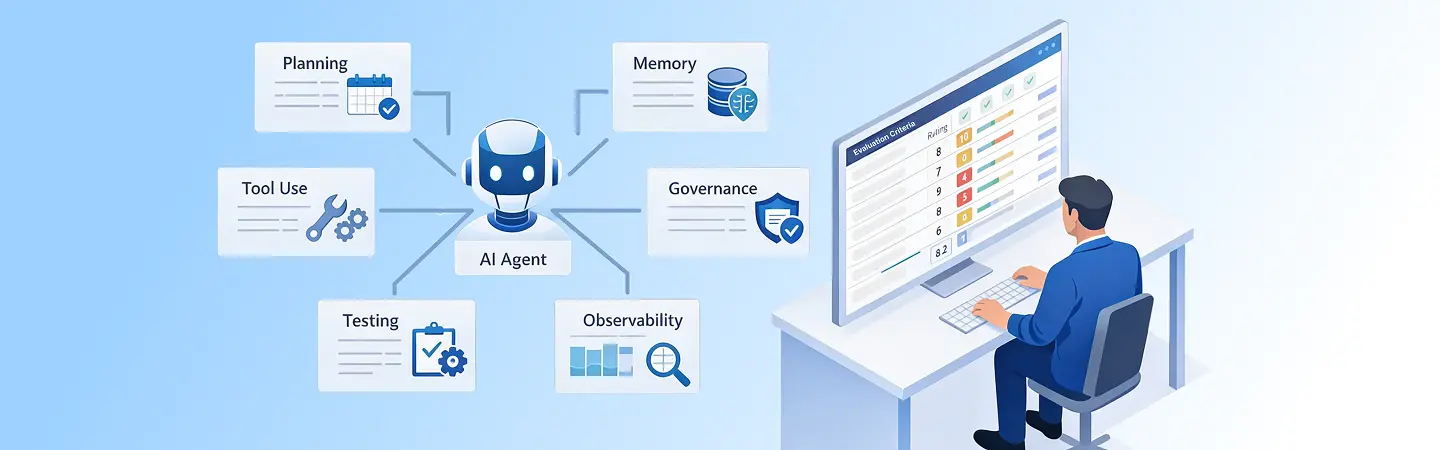
Agentic AI in SaaS: Balancing Automation With Human Oversight
Proven Integration Patterns for Agentic AI in SaaS
These battle-tested patterns enable AI agent integration for SaaS platforms without code freezes. Each minimizes risk for existing SaaS products.
Pattern 1 – Sidecar Agent Architecture
Deploy agents as independent sidecars (e.g., Kubernetes pods). They poll APIs or subscribe to events, acting without touching your monolith, like a shadow service handling user onboarding.
Pattern 2 – Workflow Orchestration Layer
Agents orchestrate across tools: Jira for tasks, HubSpot CRM for leads, Postgres DBs for queries, and logs for context. Use Temporal or Airflow for coordination.
Pattern 3 – Embedded Intelligence via Microservices
Plug agent logic into services via gRPC. One microservice calls an agent for real-time fraud detection, returning JSON, no full rewrite.
Pattern 4 – RAG-Based Knowledge Agents
Retrieval-Augmented Generation (RAG) agents query your docs, tickets, and user data via vector DBs like Pinecone. Grounded responses cut hallucinations significantly.
Step-by-Step: How SaaS Companies Integrate Agentic AI Without Rebuilds

Follow this roadmap for agentic AI development for SaaS, proven in 50+ integrations.
Step 1 – Identify High-Impact Workflows
Prioritize: support triage (auto-route tickets), release notes (generate from changelogs), QA automation (test edge cases), compliance checks (scan for SOC 2 gaps).
Step 2 – Define Agent Boundaries & Permissions
Set rules: agents read/write specific APIs, escalate via Slack. Mandate human-in-the-loop for high-stakes actions.
Step 3 – Connect via APIs & Event Streams
Expose minimal endpoints (e.g., REST + webhooks). Tools like LangGraph handle agent logic.
Step 4 – Deploy, Monitor & Expand
Launch in staging, monitor with Prometheus. Scale from one team to platform-wide in 90 days.
Real SaaS Use Cases Where Integration Beats Rebuild
- Product Management Agents: Auto-prioritize features from user feedback (e.g., like Linear's AI but custom).
- Support Automation Agents: Triage, resolve, and escalate 60% of tickets (Zendesk-inspired).
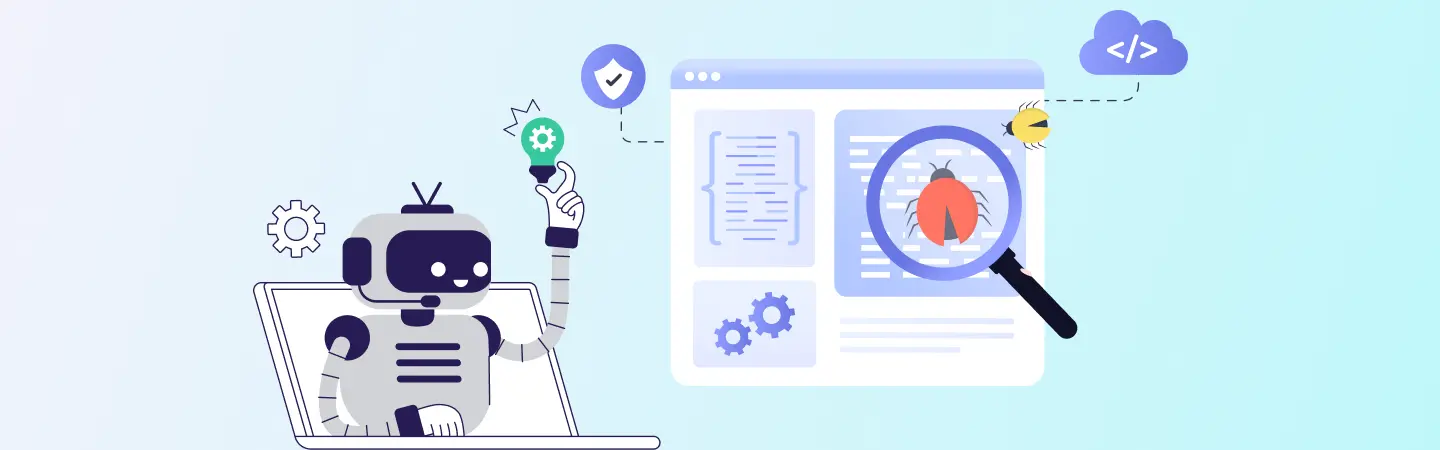
- DevSecOps Monitoring Agents: Scan repos for vulns, auto-PR fixes.
- SOC 2 Compliance Agents: Audit logs, flag drifts weekly.
Build vs Buy When Integrating Agentic AI
Off-the-shelf tools (e.g., Zapier AI) falter in legacy SaaS, shallow integrations, vendor lock-in. Custom agentic AI implementation without rebuild offers data sovereignty, deep API ties, and scalability.
- Build when: unique workflows demand it. Buy for generics, but hybrid wins.
Why Invimatic Is the Right Partner for Agentic AI Integration
Invimatic leads as an Agentic AI Development Company for SaaS, specializing in non-disruptive integrations. We build:
- Knowledge agents for instant querying.
- Analytics agents for predictive insights.
- Support agents for 24/7 triage.
- Custom SaaS agents, SOC2-secure and scalable.
Move beyond the basics, and make your tech stack make your work easier without adding any overheads.Contact us today.



.svg)


.svg)
.avif)

Leave a Comment
Your email address will not be published. Required fields are marked *