


The legacy IT infrastructure consisted of disconnected systems from multiple vendors, preventing seamless data exchange across healthcare providers. This resulted in inefficiencies in care coordination, delays in treatment decisions, and a fragmented patient experience.
The organization implemented a centralized patient data integration strategy using standards like HL7 FHIR and DICOM, a Master Patient Index (MPI), secure API protocols (OAuth 2.0 and OpenID Connect), and data governance tools to ensure interoperability, security, and compliance.
Adopted HL7 FHIR and DICOM standards to ensure consistent data formatting and interoperability across systems.
Implemented MPI to create a unified patient record across all providers, eliminating duplication and inconsistencies.
Used OAuth 2.0 and OpenID Connect protocols to secure APIs and ensure safe access to patient data.
Enabled seamless data sharing among providers, improving collaboration and patient outcomes.
Streamlined workflows and reduced manual data entry, improving operational efficiency.
Provided patients with secure access to their health records, enabling better decision-making and personalized care.
The integration of patient data through APIs transformed healthcare delivery by improving coordination, efficiency, and patient engagement across the network.


.svg)


.svg)
.avif)
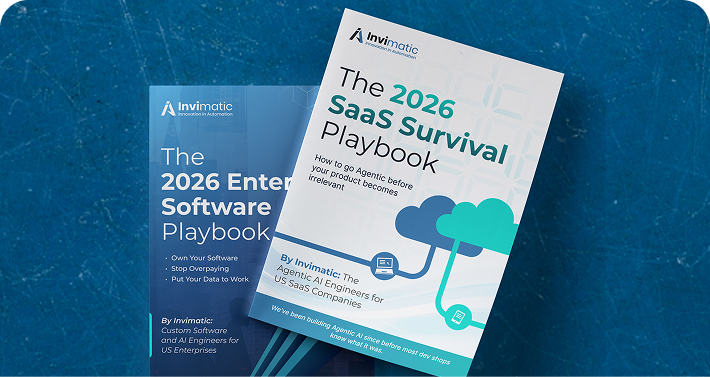
Two free playbooks. One Question: Which problem is costing you more right now?
My SaaS is becoming irrelevant! My vendor is bleeding me!
